


EN 
Why after an intercontinental flight Can't sleep and struggle to concentrate during the day? Insomnia from Jet lag is the number one enemy of mental performance. The body is arrived at the destination, but the brain is still in the time zone of departure.
It is something more complex than simple fatigue: it is a real neurological misalignment that impacts memory, mood and attention. Let's see what happens in the brain and, above all, what are science-based strategies to regain control and regain your focus.
To understand the circadian rhythm and the jet lag, we need to look inside our brain. The "master biological clock" is called the suprachiasmatic nucleus and is located in the hypothalamus. It is the control center that, led mainly from sunlight, tells the body when to release melatonin (for sleep), cortisol (to wake up) and how to regulate body temperature in 24 hours.
When you quickly cross multiple time zones timetables, an acute conflict is created. The internal clock follows the time of home, but the external environment (light, darkness, meal times) signals a time completely different.
There is a crucial difference in the Flight direction:
The empirical clinical rule estimates about a recovery day for each time zone crossed, then a large number of time zones exposes the need for a longer time of recovery. Young age tends to help to recover sooner, while adults and the elderly often need a little more time.
Even the previous or related to the trip itself affect recovery: sleeping badly or leaving already tired extends the number of days needed to dispose of jet lag.
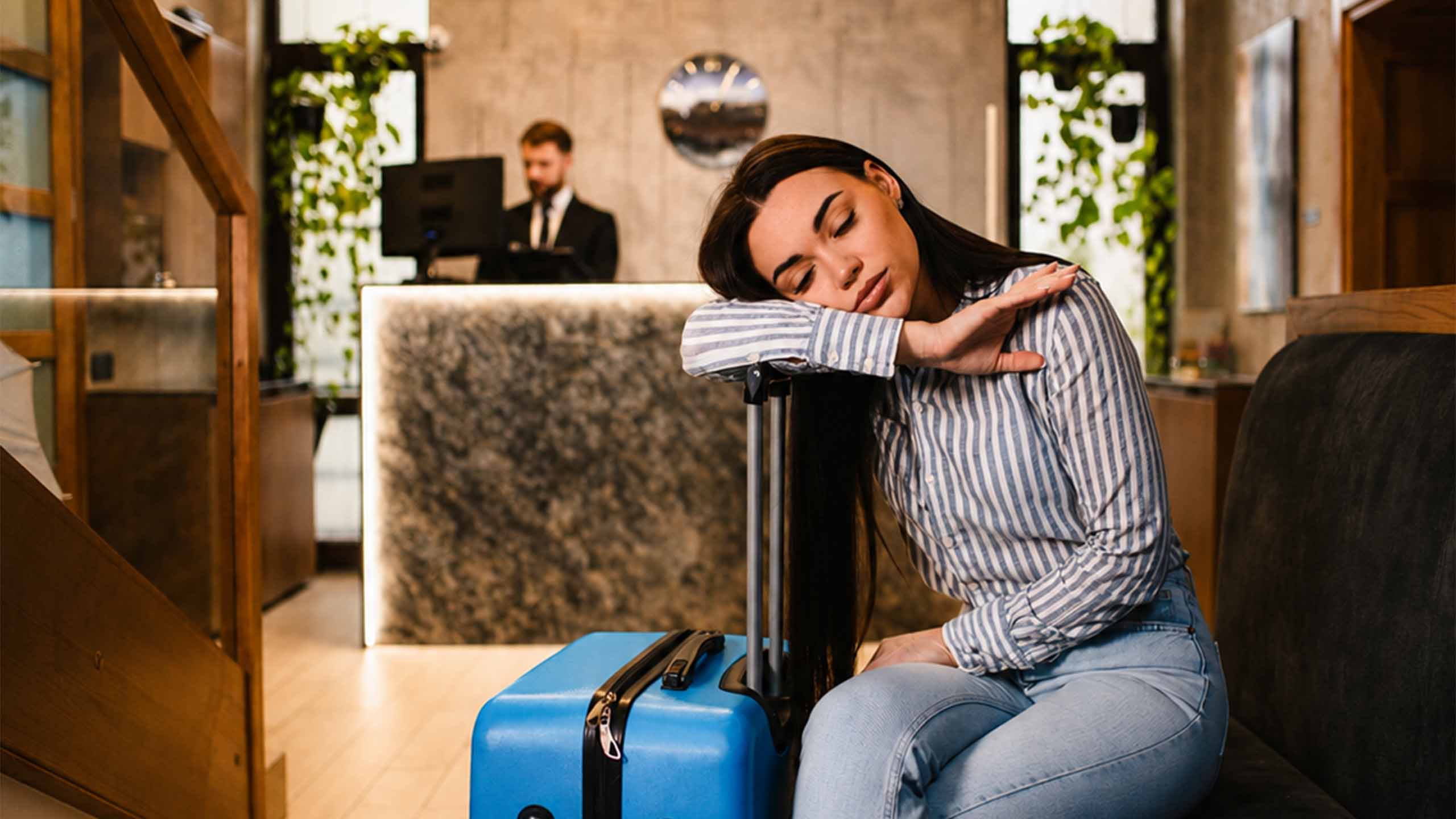
Several scientific studies have Demonstrated that jet lag and the brain have a conflictual relationship with effects measurable cognitive impairments:
To understand how to recover from the jet lag quickly, you need a plan of attack divided into three phases: first, during and after the flight. No improvisation, just routine.
Start moving your hours sleep of 15-30 minutes a day to the destination time zone. Cut alcohol and excess caffeine, and hydrate to the maximum. A hydrated body responds better than chronobiological stress.
As soon as you sit down, set the clock on the time of destination and behave accordingly. Here's how to sleep afterwards A long flight: Manage the light. Use a mask if it is At night, keep the window open if it is daytime. Avoid alcohol: it fragments the REM sleep. Drink plenty of water, because the pressurized air in the cabin has very low humidity (10-20%).
These are the hours you need to send The right signals to the suprachiasmatic nucleus:
For those looking for natural remedies to jet lag insomnia, S-Nap Shot is an excellent support to regain mental clarity after the trip. Formulated by Swiss neuroscientists, this Brain Fuel combines deep hydration and superfoods like ginseng and spirulina with a minimum dose of caffeine (0.0093%). And it has a pleasant fruity taste: buy S-Nap Shot on Amazon from this link. Pause, sip, reset.
Yes, but the dosage and timing I'm everything. Low doses (0.5-3mg) taken 2 to 3 hours before the new desired sleep are sufficient. Higher doses do not increase its effectiveness and they can cause groziness the next day.
Yes, but with strategy. Use sources to Low caffeine dosage to support morning alertness, but stop intake strictly after the early afternoon so as not to hinder sleep night, essential for the reset.
Focus on constant hydration, do short breaks outdoors (sunlight inhibits residual melatonin) and schedule more complex tasks at times when your internal clock He would naturally be awake.
It's the effect of your biological clock remained anchored to the departure time zone. If in your home country the 3 of the morning correspond to the time when you normally wake up, your body will release cortisol. Keep the room dark and don't look at bright screens so as not to interrupt the readjustment process.