


EN 
The cold seasons often invite you to be sedentary, but the snow-capped mountain offers a unique setting for a workout that goes Beyond simple physical activity. Practicing winter sports, such as skiing, snowboarding or snowshoeing, is a complete investment which brings significant benefits to the body and, to an even greater extent, to the mind.
Immersion in natural environments and the constant challenge placed by the variable terrain transform every descent or ascent into a real and own therapy for well-being psychophysical. It's not just about fun: it's a strategy to enhance cardiovascular health, strength and, above all, cognitive functions.
Although instinct leads us to seek warmth for protected ourselves, controlled exposure to cold is not only a panacea for the circulation, but it also represents a powerful stimulus for the brain. The environment mountain, with its low temperatures, triggers a series of reactions neurochemicals known as the hormetic response, a manageable stress that strengthens the body.
When the body is exposed to cold, the system nerve is activated, resulting in a significant release of norepinephrine and dopamine. Norepinephrine, in particular, is a neurotransmitter crucial for alertness, focus, and speed of reaction, with an effect that can last well beyond the period of exposure to the cold. The dopamine, instead, it is linked to motivation and reward circuits, contributing to a clear improvement in mood and a feeling of well-being that counteracts fatigue.
In addition, cold stimulates the production of so-called cold shock proteins (such as RBM3). Preliminary studies They suggest that these proteins play a role in neuroplasticity. In summary, cold acts as a workout for the mind, improving mental resilience and efficiency Cognitive.
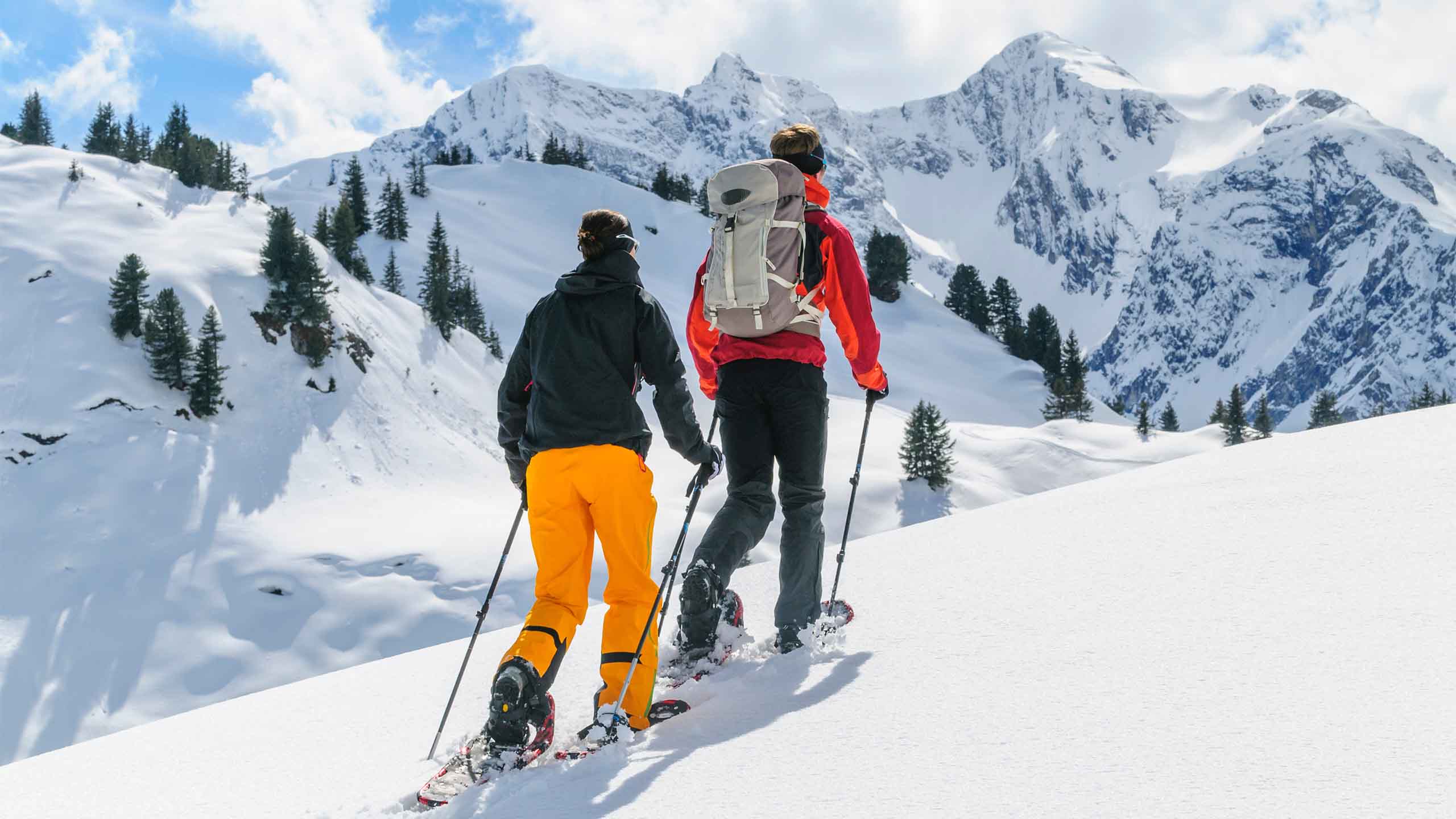
Snow sports require physical exertion intense and varied, which involves the body in unique ways due to the temperature and altitude. Among the main advantages of the activities At high altitudes we can identify:
The mountain environment and the dynamism linked to these Activities make winter sports such as disciplines with various psychological and cognitive benefits, superior to many other disciplines:
To support the high cognitive load required During a busy day of skiing or snowboarding, it's crucial support the body with hydration and the right nutrients. A valid ally is certainly represented by a functional drink for the Concentration without added sugar: discover it here and have fun safely in the snow.