


EN 
When the days get shorter and the Temperatures drop, the drop in sports motivation is a reaction almost physiological. The cold and darkness invite you to rest, but for those who want to keep fit and take advantage of the psychophysical benefits of sport, stopping is not an option.
Indoor training should not be be experienced as a simple fallback or a limitation imposed by the weather. To the On the contrary, indoor winter sports represent a strategic phase fundamental: a controlled environment where you can work on technical details, on pure power and concentration, without distractions and variables external climatic conditions. Turn your living room or gym into your own base camp Winter is the secret to improving one's athletic condition.
Understanding biological mechanisms At the root of winter laziness is the first step in fighting it. It's not just A matter of willpower, but of chemistry.
Reduced exposure to light Solar directly influences our neurotransmitters. On the one hand, the The body produces more melatonin, the hormone that induces sleep, making us feel more tired even during the day. On the other hand, the levels of serotonin, which is essential for mood regulation.
Added to this is the factor logistics: bitter cold and early darkness create mental barriers when leaving home. Recognize that this resistance is partly allows us to be less strict with ourselves and to adopt smarter strategies to get around the obstacle.
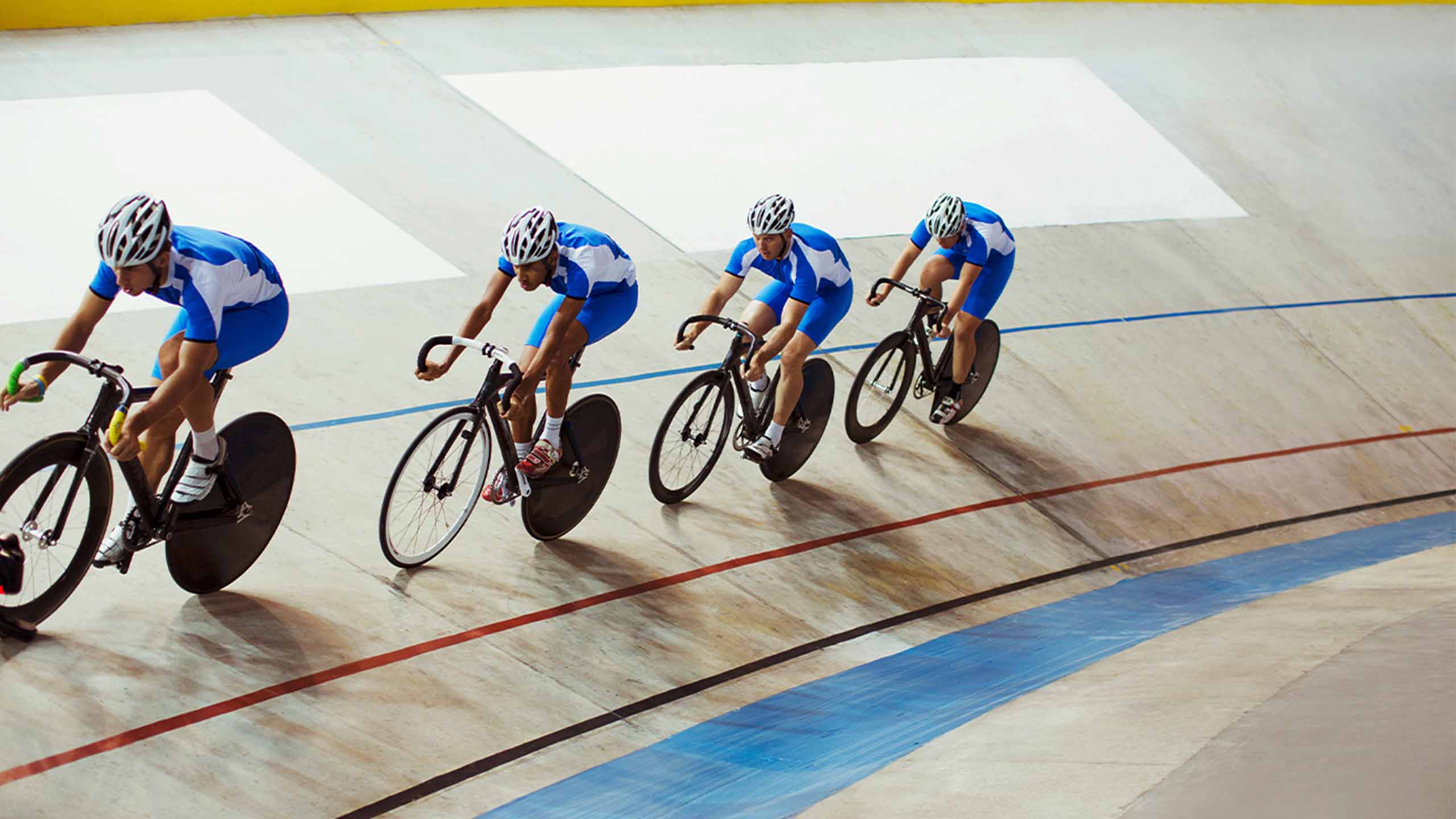
Choosing the right business is crucial to keep interest alive. Here is an overview of the best indoor disciplines, also perfect for those who practice outdoor winter sports and want to prepare athletically in the best possible way:
Training indoors, often repeating gestures in a limited space, can put a strain on the concentration. Boredom is the number one enemy of indoor performance. Some practical tips to keep motivation high:

The context makes the difference. You can't train effectively in the same chaotic environment in which you work or relax, without adapting it. Here is What to look out for:
Yes, and in some cases more. The absence of external variables (traffic, traffic lights, wind) allows you to control intensity and recovery times with scientific precision.
Avoid long sessions at pace constant. Prefer interval training (HIIT) by varying speed and slope, or use apps that simulate virtual routes or lessons of group.
To maintain conditioning metabolic and muscular systems, the ideal is to provide 3 to 4 sessions weekly, alternating strength and cardio.