


EN 
What really changes between climbing a wall with rope and solve a block a few meters from the ground? If at the level The answer seems obvious, on the cerebral level climbing and have profound differences: they are not simple variants of the Same sport, but two almost opposite cognitive modalities.
In climbing up the mind works on the management of prolonged effort and emotional control, while in bouldering the attention is concentrated in an explosion of a few seconds dedicated to the resolution of a motor puzzle. Understand how your brain responds to these two vertical stimuli allows you to improve your performance both on the wall and in everyday life.
In both cases, a Significant cognitive load. To support it in a practical, fast and Above all, it is useful to drink an S-Nap Shot before each session: buy brain fuel on Amazon from this link.
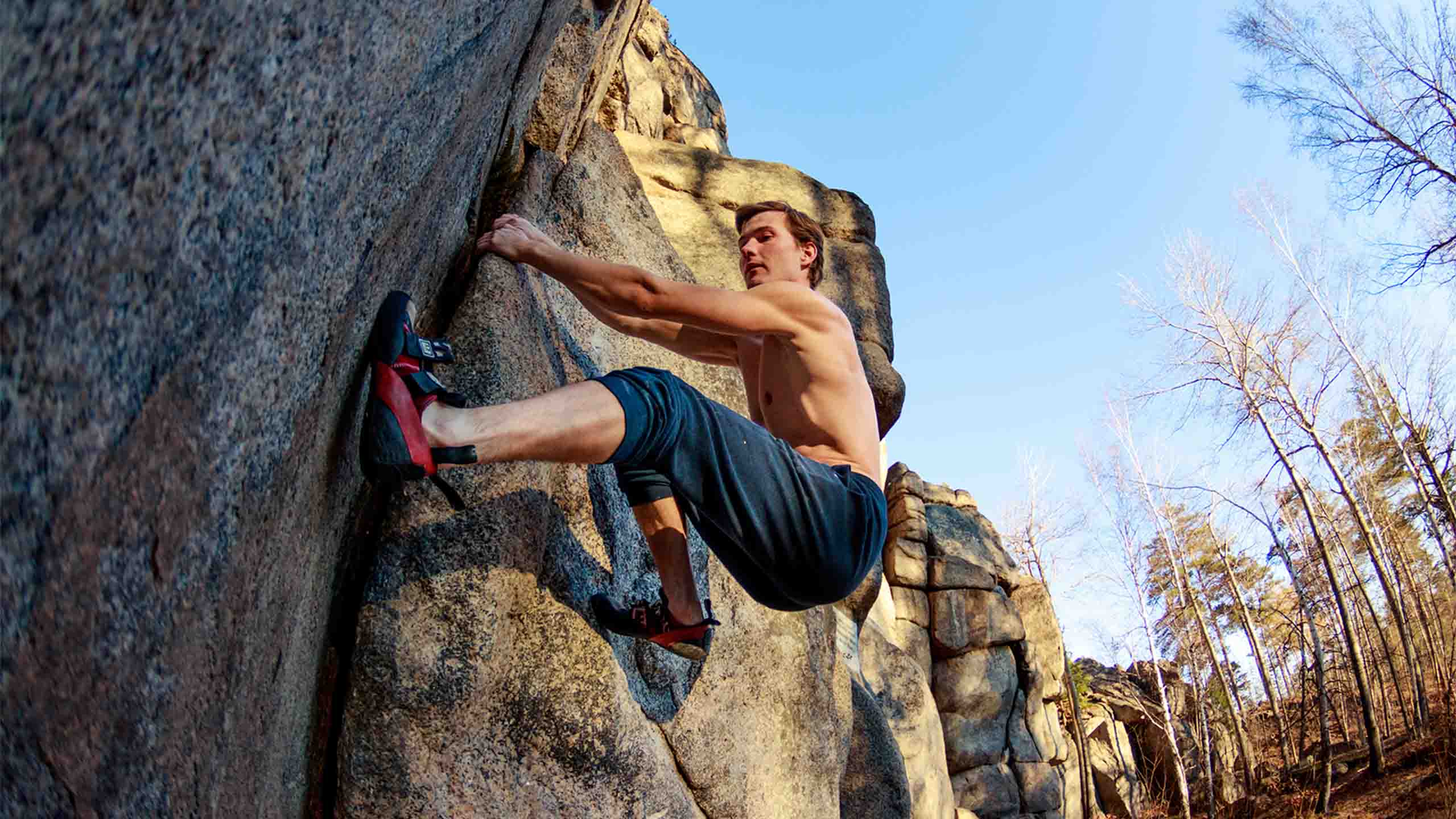
Climbing sports (or on the way) includes the ascent of walls tens of meters high secured by a rope, requiring resistance physics and energy management for many minutes. Bouldering consists of when climbing boulders or low walls without a rope, protected by special mattresses called crash pads, concentrating maximum intensity on a few movements to solve a "problem", i.e. the sequence of sockets for get to the top.
To use a narrative metaphor, Sport climbing is like a novel: it requires a long narrative, a sustained rhythm and the management of the emotional arc over an extended time. The bouldering is like a haiku: everything is compressed into a few perfect gestures, where maximum intensity and zero waste of energy are needed.
This distinction is neurologically relevant for cognitive performance related to these two disciplines sports:
Maintain a climb with Constant concentration on multi-pitch routes requires an attentional strategy distributed. If the climbing focus is too intense, you risk exhausting resources, while if it is too relaxed, the risk of make fatal mistakes. The goal is to enter the flow state, an optimal activation condition moderate and sustained cognitive over time.
Twenty meters above the ground, the amygdala, which is the brain center that handles threats, naturally activates signals of alarm. Experienced climbers learn to modulate this response through the prefrontal cortex, applying emotional regulation top-down: a deliberate reasoning that recognizes the presence of the rope and lowers the perception of real danger.
During the ascent, the mind must make dozens of micro-decisions: choose where to place your feet or identify the best place to rest (reach). As the fatigue, this process generates decision-making fatigue, reducing the lucidity. To keep you in control, it's essential to maintain internal dialogue by choosing and using the right words to better manage critical moments on the wall.
Bouldering requires analysis movement sequence tactics, a mental visualization and a of adaptation to failure. In this way, it stimulates in a way problem solving and lateral thinking. When the most obvious sequence doesn't work, You have to overturn the initial logic and look for alternative holds or joints.
The main mental benefits of bouldering include:
No longer requires concentration in absolute, but a different type of focus. Bouldering requires attention Selective and explosive compressed in a few seconds, while climbing on the it requires sustained attention spread over prolonged periods.
Visualization is the practice of mentally retrace each movement of the block before climbing. Neurologically, this process activates the motor cortex of the brain preparing the body for the precise execution of the gesture.
Yes. Learning to regulate fear height and performance anxiety on the wall through the cortex reinforces the emotional regulation mechanisms that we use to cope with work or personal stress.
It depends on your mental goals and physical bodies. Bouldering is ideal if you want to work on explosiveness, strength and problem immediate solving without rope management; Sport climbing is Perfect if you're looking for stamina, height management, and rhythm control. Practicing both guarantees the most complete cognitive development.